
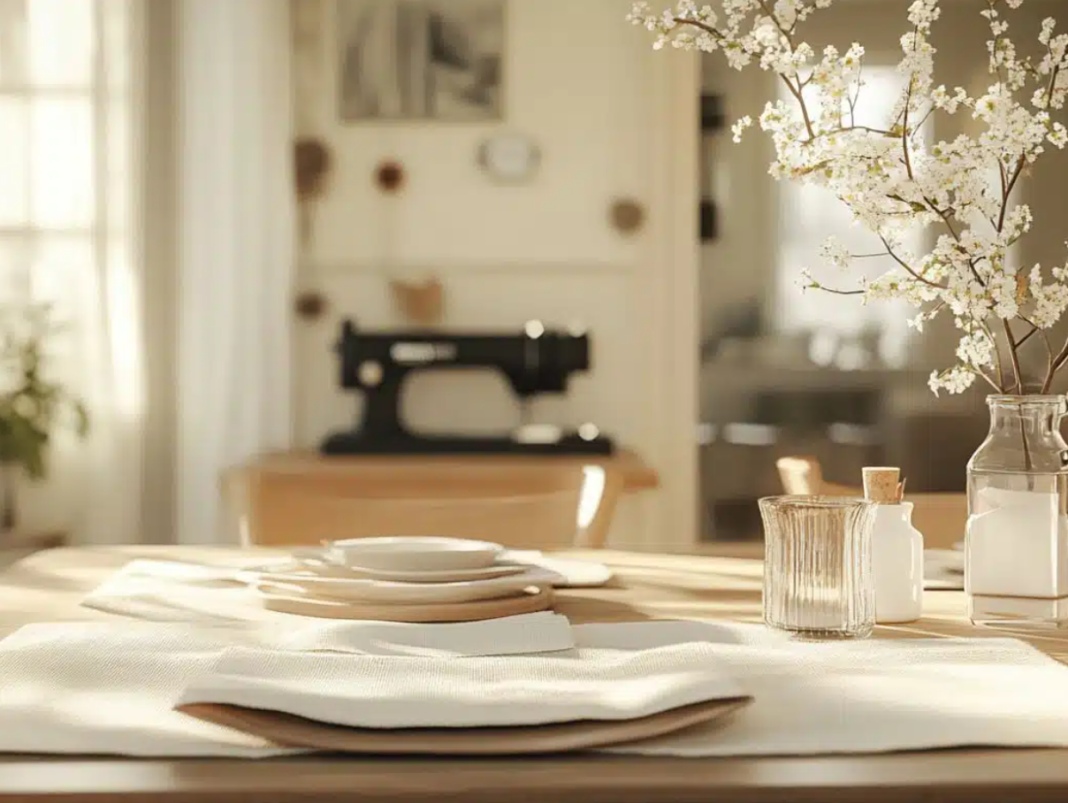
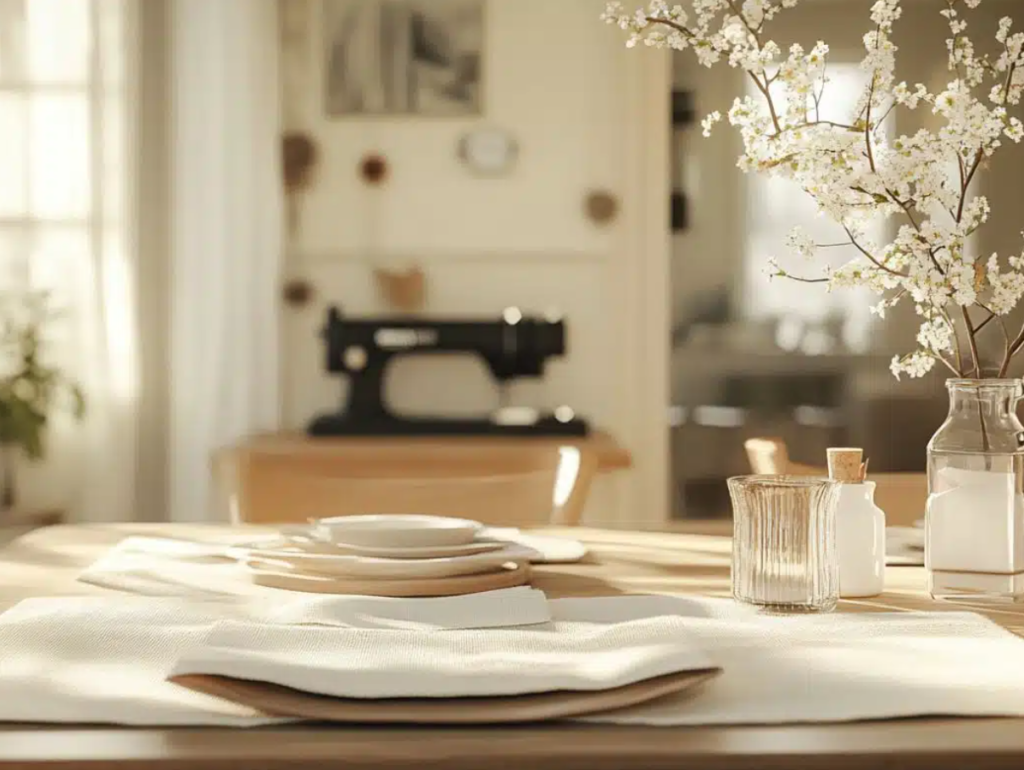
Creating your own reversible placemats is a rewarding and practical DIY sewing project that adds personality to your table setting without a large expense. Whether you are new to sewing or have some experience, this guide walks you through the materials, preparation, sewing steps, finishing touches, and creative variations needed to make beautiful placemats you can flip for different looks.
Reversible placemats are ideal for adding versatility and style to your dining table. They can be made in custom sizes, crafted from fabrics that match your décor, and given as thoughtful handmade gifts. With a few tools, basic sewing skills, and this clear instruction, you can complete a set of practical and unique tabletop accessories.
Materials and Tools You Will Need
The choice of fabrics and tools shapes both the look and quality of your placemats. Here are the essentials:
- Fabric: Choose two complementary fabrics for the front and back. Durable cotton and linen‑look fabrics are beginner‑friendly, while double face fabrics (with different designs on each side) are perfect for true reversible effects.
- Interfacing or Batting: A thin layer of fusible interfacing or light batting strengthens the placemat and improves its drape.
- Sewing Machine: A basic machine with straight stitch capability will work.
- Scissors or Rotary Cutter: Accurate cutting ensures neat seams.
- Pins or Sewing Clips: These hold your layers together while sewing.
- Iron: Pressing your fabric at various stages produces clean, crisp finishes.
These supplies are commonly available at craft stores, and the specific fabrics you choose will set the tone for your placemats—whether casual and bright or elegant and subtle.
Preparing Your Fabric
Start by deciding the size of your placemats. A standard finished dimension is approximately 30 × 45 cm (12 × 18 in), but you can adjust based on your table setting or plates. Add a seam allowance of about 1.5 cm (⅝ in) on all sides when cutting both fabric pieces and the interfacing.
After cutting your fabrics and interfacing, fuse the interfacing to the wrong side of one layer following the product instructions. This step enhances stability and helps your placemats lie flat on the table.
Sewing the Placemat
The core of this project lies in correctly layering and stitching the fabric pieces:
- Layer Your Fabrics: Place the two fabric pieces with right sides facing each other, sandwiching the interfacing inside. Ensure all edges align evenly.
- Sew Around the Edge: Stitch all the way around the placemat, leaving a gap of about 10 cm (4 in) on one side so you can turn the placemat inside‑out later. Use a seam allowance of about 1 cm (⅜ in).
- Clip the Corners: Carefully trim the excess fabric from the corners, being mindful not to cut your seam. This allows sharper corners once the placemat is turned.
Once these steps are complete, gently pull the fabric through the opening so the right sides are facing outward. Press the entire piece with an iron to flatten any wrinkles and help shape the placemat.
Finishing Touches
The final stage transforms your sewn piece into a polished placemat:
- Closing the Opening: Fold the raw edges of the turning gap inward and secure them with pins. You can stitch this opening closed either by hand using a hidden slip stitch or with your machine using a narrow edge stitch.
- Topstitching: For a professional finish, topstitch close to the edge of the placemat on all sides. This reinforces the seams and creates a neat border.
With these finishing touches, your reversible placemat will be ready for use, and the double‑sided design means you can choose which pattern to display based on your table setting.
Creative Variations and Design Tips
Once you have mastered the basic reversible placemat, you can explore embellishments and style variations:
- Decorative Edges: Add ruffles or scalloped edges for a more decorative effect. This works especially well with lightweight fabrics like cotton or linen.
- Corner Techniques: Use precise corner techniques such as mitered or envelope corners for a refined appearance.
- Color and Pattern Play: Combine solid fabrics with patterned ones to create contrast, or match themes such as seasonal colors or holiday motifs.
These additions allow you to tailor your placemats to specific occasions or personal style preferences. They also make excellent handmade gifts for friends and family.
Care and Maintenance
To keep your handmade reversible placemats looking great:
- Wash them gently in a machine at about 30 °C (86 °F) using a mild detergent. Avoid fabric softeners, which can affect fabric texture.
- Dry them flat or laid out, rather than in a dryer, to maintain shape and avoid shrinkage.
- If ironing is needed, do so from the reverse side to protect the surface of the fabric and colors.
Proper care extends the life of your placemats and keeps your tabletop presentation looking fresh and attractive.
Final Thoughts
Making reversible placemats is an accessible project for beginners and experienced sewists alike. With basic tools, a clear plan, and a few hours of focused work, you can create charming handmade pieces that elevate everyday dining or special occasions. The ability to flip between two fabric designs adds versatility and a personal touch to your table décor, making each meal feel more intentional and styled.