
The COVID‑19 pandemic reshaped life in countless ways, including how we dress. The abrupt transition from vibrant social calendars to prolonged periods at home forced many of us to reassess our relationship with clothing and style. The year of lockdown not only challenged fashion norms but also opened space for new habits and emerging brands that reflect today’s evolving lifestyle.
Before the pandemic changed everything, my wardrobe mirrored the life I was living — one marked by travel, social events, and effortless style. During those early months of 2020, based in Cartagena on Colombia’s Caribbean coast, my outfits were influenced by the light breeze and sea‑salt air. I remember a long white dress worn at a spring gala, chosen not just for its elegance but also for its practical length that allowed me to conceal sneakers beneath. That blend of style and function felt natural then.
Then came lockdown, and with it, a stark shift in how we got dressed. As staying home became the norm, dress codes dissolved. Mornings blurred into nights, and outfits no longer signified social presence or identity. Leggings worn to bed became acceptable work‑from‑home attire; sweatpants became the default choice for long hours of remote work and simple daily tasks. What initially felt like liberation from societal expectations of appearance soon settled into a new routine, one where comfort often trumped style.
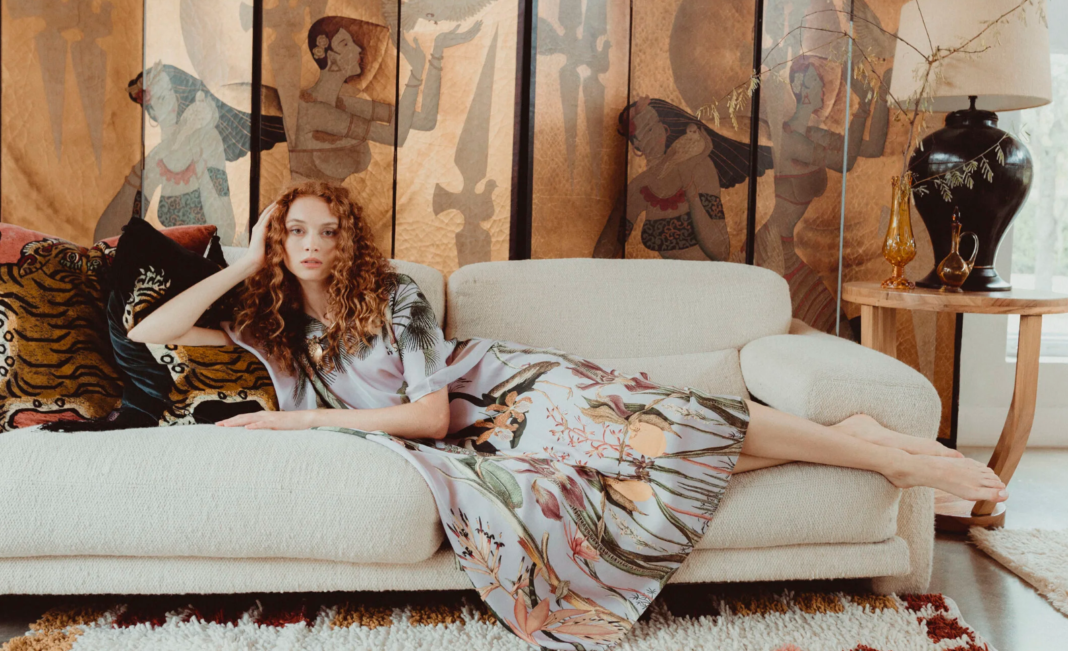
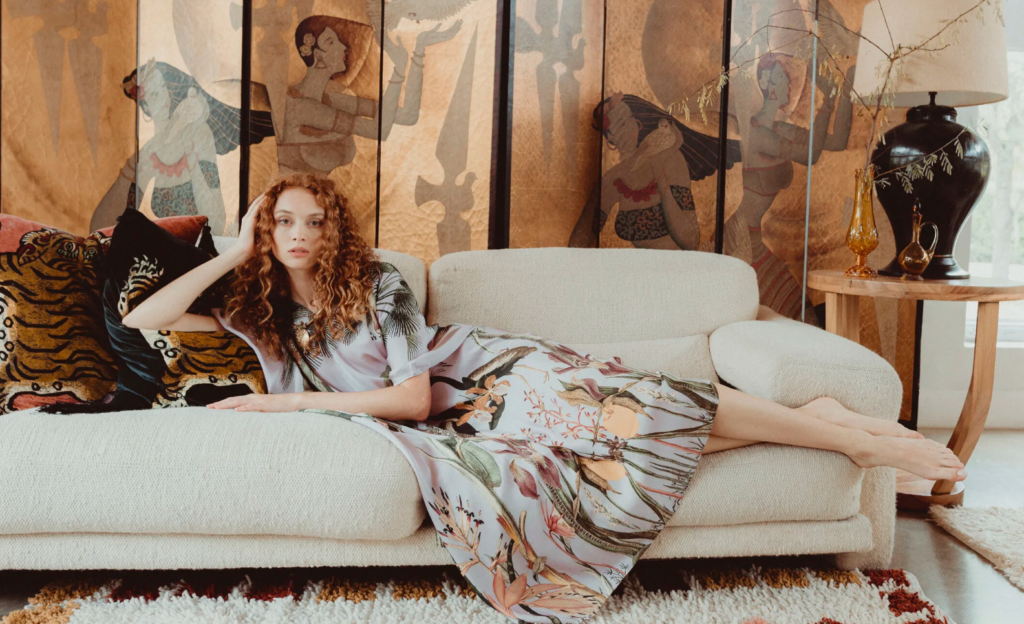
This shift did not signal the end of fashion, but rather a transformation of how and why we wear clothes. The question emerged: is the era of comfort‑over‑fashion here to stay? The answer is neither absolute nor static. Instead, a new balance has emerged that blends relaxation with intentional style. The lines between loungewear and everyday wear have blurred, and items once relegated to the home are now staples in modern wardrobes. Hoodies and tracksuits share closet space with silk sets and flowing tunics, revealing how style can adapt without losing expression.
Loungewear’s rise is part of a broader movement that rethinks our priorities —comfort, versatility, and personal meaning now guide many clothing choices. This trend reflects larger fashion industry data showing how lockdown elevated demand for comfortable clothing while diminishing interest in formal or restrictive attire. Global fashion trends from the early 2020s underscore how influences like comfortcore and related subtrends became defining styles as lockdowns persisted.
Yet even within this comfort shift, creativity and craftsmanship continue to thrive. In Latin America, several designers have responded to the new fashion landscape by innovating within the intersection of practicality and aesthetic intention, proving that the pandemic has not dampened fashion’s creative spirit but rather reoriented it toward new values.
Entreaguas is one such example, where fashion becomes a canvas for artistry and social purpose. Designer Natalia Botero champions “wearable art,” combining organic dye techniques with traditional handcraft. During the pandemic, the brand’s outerwear — dyed using locally sourced mud and natural materials like turmeric and cabbage — illustrates a commitment to material exploration and ecological integrity, while supporting women artisans.
Similarly, Port de Bras, led by Venezuelan designer Clarissa Egaña, reimagines athleisure by elevating everyday sportswear. Her designs integrate unexpected details like ruffles and shoulder pads, turning functional wardrobe pieces into fashion statements that work in multiple contexts — from home workouts to poolside lounging. This approach reflects a new breed of versatile clothing that transcends traditional genre categories.
ESCVDO, inspired by Peru’s rich textile heritage, marries cultural tradition with contemporary comfort. Using premium fibers like alpaca wool, the brand creates soft, luxurious pieces that feel equally suited to relaxed days at home or quiet moments of reflection. Though less focused on typical loungewear, these garments emphasize craftsmanship and emotional comfort — a reminder of fashion’s deeper capacity to enrich everyday life.
To close, Carolina K, a Mexican ethical lifestyle brand, embodies how fashion can be both stylish and meaningful in uncertain times. Working with over 200 artisans worldwide, the brand produces timeless pieces — from slip dresses ideal for socially distanced events to comfortable kimonos perfect for relaxed gatherings. The emphasis on handmade design and sustainability speaks to a growing desire for clothing that is thoughtful, intentional, and enduring.
The fashion lessons from a year of lockdown extend beyond what we wear; they reflect a broader cultural shift. Comfort and style are no longer opposing forces but partners in a more conscious approach to clothing. As wardrobes incorporate the relaxed sensibilities of lockdown with enduring elements of personal expression, fashion becomes less about performance and more about presence — an authentic reflection of how we live now.
In looking back, the pandemic revealed not just what we wear, but why we wear it. As we redefine our relationship with clothing, the lesson endures: fashion must adapt, evolve, and resonate with who we are and where we are going — even in the most unpredictable times.