
When you first consider finishing a basement, it often feels like a big project with uncertain payoff. Yet for many homeowners, transforming that under-utilized lower level into intentional living space becomes one of the most rewarding home improvements. The finished basement described here now plays a central role in everyday life, especially during long, cold seasons where cozy, flexible space matters most.
The decision to finish the basement was driven by a desire to expand usable square footage and tailor areas to fit real family needs rather than leaving them limited to standard builder layouts. Finishing this space didn’t just add room; it opened up opportunities to create zones for activity, comfort, and functionality — ultimately making the home feel larger and better designed for how the family lives.
Designing with Real Life in Mind
A crucial part of the basement transformation involved designing spaces that worked for everyone. This process meant balancing personal preferences with practical considerations. One example was how hunting trophies were integrated into the design. What could have felt out of place in a coordinated color palette instead became an intentional design feature, demonstrating that personal objects can anchor a space when thoughtfully incorporated.
A previously unplanned gym area became part of the finished layout once construction began. By extending the same wood flooring from the primary living area into this space, it now serves as a multifunctional zone for play and workouts. This approach illustrates how flexibility in design can yield more functional and cohesive spaces without sacrificing style.
Creating Comfortable and Useful Zones
A highlight of the finished basement is a home office nook with built-in shelves and a custom desk situated beneath a patio area. Small but purposeful spaces like this show that even compact corners can be transformed into highly functional places when given thoughtful treatment and design.
To make the living area feel inviting and warm, especially through cold weather months, a wood pellet stove was added. This feature not only provides practical warmth but also enhances the ambiance of the space. A dedicated media wall supports family movie nights, while an antique buffet — repurposed as a snack station — and a nearby table for puzzles and games turn the basement into a true hub for family time.
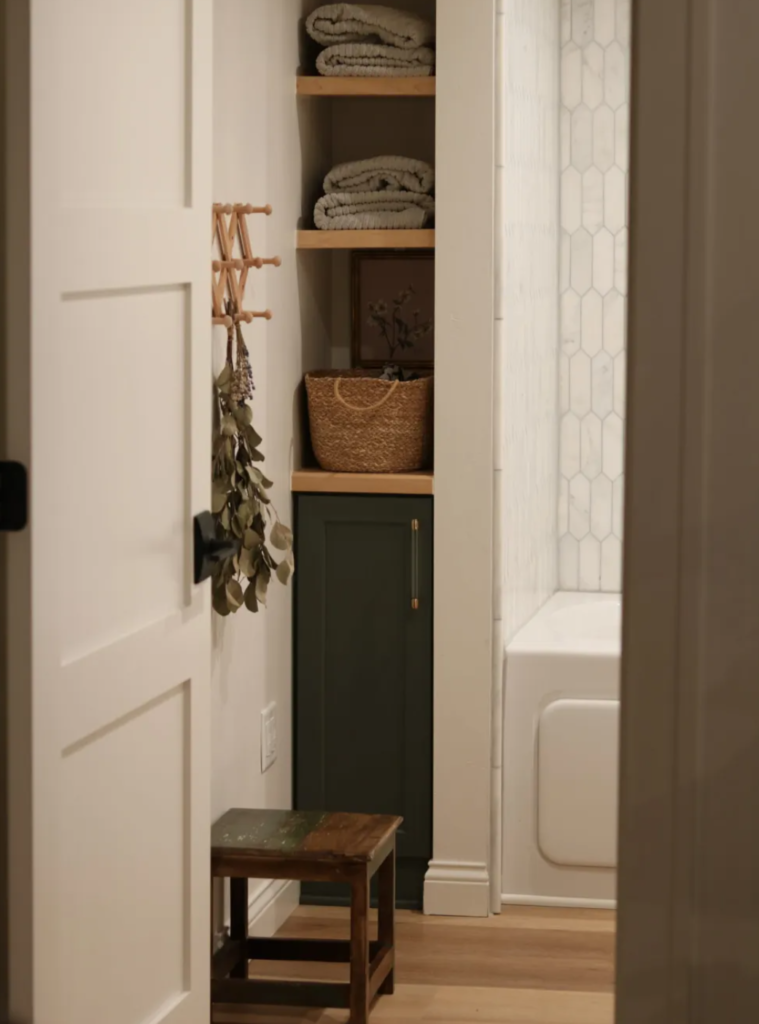
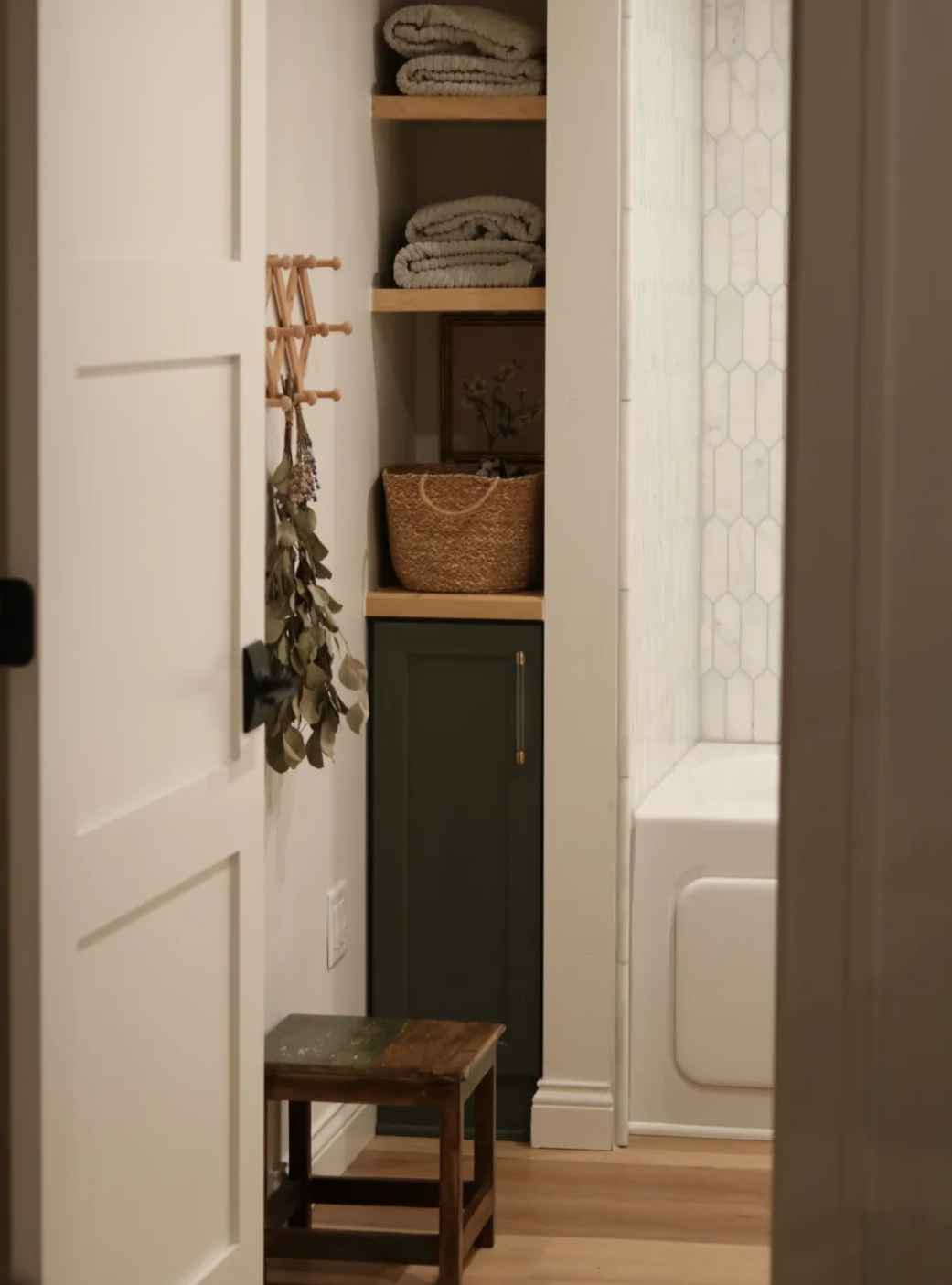
The renovation also included a stylish basement bathroom with marble details, custom cabinetry, and a long soaking tub — turning what could have been purely functional space into a spa-like retreat. Adjacent to this is a combined playroom and bunk room for kids, complete with built-in beds, a staircase, and a reading nook. These areas demonstrate that even smaller spaces can deliver big impact and long-term usability.
Blending Practicality with Personal Touches
Rather than imposing a one-size-fits-all aesthetic, the finished basement blends practical design choices with personal character. From gym zones and office nooks to leisure and sleeping areas, each section serves a purpose aligned with everyday life. Adding elements like cozy seating, engaging play areas, thoughtful storage, and warm lighting ensures the lower level feels like a natural extension of the home rather than an afterthought.
The transformation also highlights how basement renovations can elevate both utility and comfort. Floor choices that tie together different zones, built-in features that improve organization and visual appeal, and intentional decor that reflects family identity all contribute to an outcome that’s both functional and personal.
Inspiration for Your Own Project
For homeowners considering a similar renovation, this story provides tangible inspiration: basements don’t have to remain dark, neglected spaces. With thoughtful planning and design, they can become versatile areas that support a range of activities — from entertaining and relaxing to working and playing. Whether guided by professional help or crafted with personal touches, a finished basement can truly expand both space and quality of life in a home.