
Handbags have evolved far beyond their original utilitarian purpose. In today’s fashion world, they are central accessories that express personality, style, and confidence. A well‑chosen bag can transform an outfit, serving as the defining touch that elevates everything from casual looks to formal ensembles. Understanding how to select and style handbags can help you maximize both your wardrobe and your personal expression.
Why Handbags Matter
Handbags have become more than just carriers for essentials; they are fashion statements. Designers around the world treat bags as focal pieces in collections, using creative silhouettes, bold colors, and innovative materials to set trends and capture attention. A standout handbag not only enhances what you wear but can also reflect who you are, communicating preferences and aesthetic sensibilities without a word spoken.
Understanding this evolution helps you think of handbags not as afterthoughts but as vital parts of your closet that deserve as much thought as your clothing.
Handbags as Eye‑Catching Statement Pieces
Some handbags make a powerful visual impact and become the centerpiece of an outfit due to distinctive design features:
- Unique Forms and Creative Shapes: Handbags with unusual structures, asymmetric cuts, or bold lines are inherently interesting. They draw the eye and signal originality.
- Color and Pattern: Bright hues, striking contrasts, or metallic finishes can add dynamism to an otherwise simple outfit. A red, electric blue, or vibrant yellow bag instantly captures attention.
- Material and Texture: Luxurious leathers, exotic hides, velvet, or satin elevate the tactile and visual appeal of a bag. These materials create richness and sophistication without relying solely on color or shape.
By considering these elements, you can identify bags that serve not just a practical purpose but also contribute stylistically to your overall look.
Choosing the Right Handbag for Different Occasions
Different situations call for different handbag styles. Rather than owning a single go‑to bag, building a small collection tailored to various activities ensures both functionality and fashion.
Elegant Evening Bags
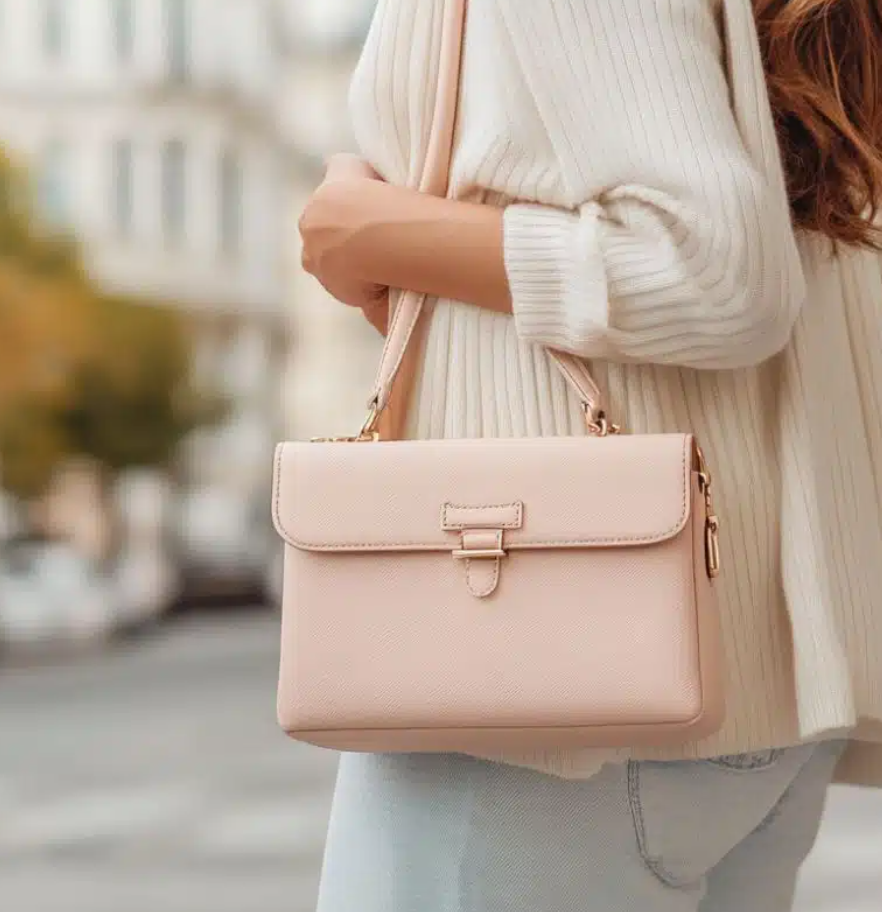
For formal events or celebratory occasions, small, finely crafted bags are ideal. Evening handbags tend to feature polished surfaces, detailed hardware, and refined designs that coordinate beautifully with dressier outfits. These bags often function as accessories that complement rather than compete with formal attire.
Everyday Bags
Daily life requires practicality without sacrificing style. Tote bags or larger shoulder bags with clean lines and classic colors work well for office environments or errands. These bags balance capacity with elegance, ensuring they are as functional as they are fashionable.
Crossbody and Casual Styles
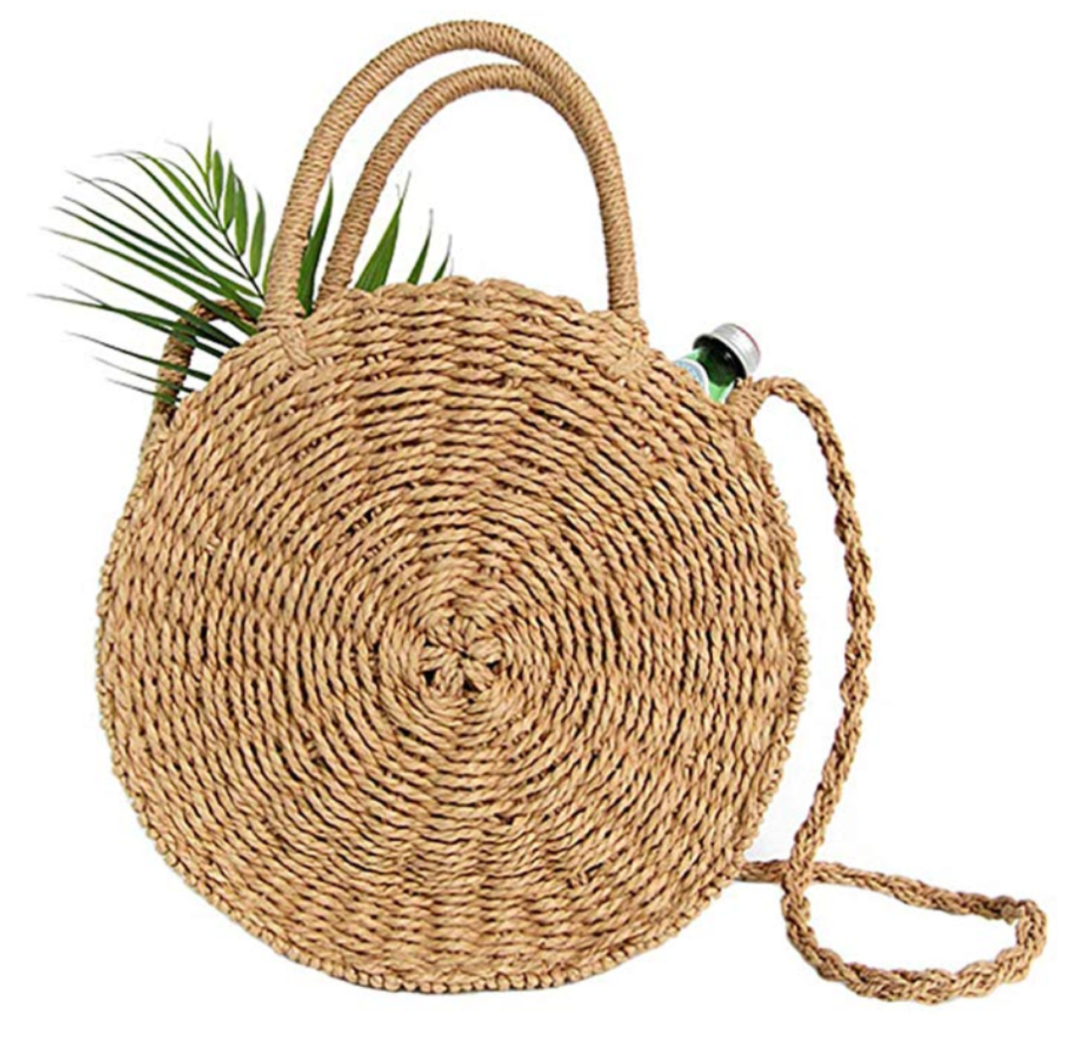
Crossbody bags are excellent for casual days and hands‑free convenience. They offer the right blend of style and ease, especially during leisurely activities or travel. Their relaxed yet stylish aesthetic makes them a go‑to option for relaxed dressing.
Trend‑Driven “It‑Bags”
Certain handbags rise to iconic status due to their unique design and popularity among fashion enthusiasts. These “It‑bags” often become part of fashion history and are recognizable elements in both celebrity style and street fashion.
Integrating Handbags into Outfits
A handbag works best when it complements the rest of your look rather than simply existing alongside it. To truly make a bag a highlight:
- Keep Outfits Simple When the Bag Is Bold
If your handbag features bright color, unusual design, or striking texture, pair it with a simpler, neutral outfit. This contrast lets the bag take center stage without overwhelming your overall look. - Use Color to Accentuate
A handbag doesn’t need to match your outfit exactly; instead, it can act as a carefully placed color accent. A neutral outfit in black, white, or beige paired with a colorful handbag adds visual interest and balance. - Adapt Size to Occasion
Small handbags suit formal or dressy events, while larger bags handle everyday needs and casual activities. Matching size to context ensures that your bag feels appropriate and functional. - Coordinate with Other Accessories
Shoes, belts, and jewelry should harmonize with your handbag to create a cohesive look. When these elements align in color tone, texture, or aesthetic, your overall outfit feels intentional and polished.
Recognizing Iconic Handbag Brands
Certain brands have achieved legendary status because their handbags represent both craftsmanship and cultural impact. These bags are not only stylish but also speak to heritage and design innovation:
- Chanel: Known for timeless classics like the quilted flap bag, Chanel continues to define luxury handbag design.
- Louis Vuitton: Pieces like the Neverfull combine practicality with iconic monogram patterns.
- Gucci: Bags such as the Jackie or Marmont exemplify how classic forms can remain current.
- Prada: With minimalist yet elegant designs, Prada remains at the forefront of refined handbag aesthetics.
Owning a piece from one of these houses is more than a fashion statement; it reflects an appreciation for design history and enduring style.
Conclusion: The Handbag as Style Foundation
Handbags have transcended their practical origins to become indispensable fashion elements. They allow individuals to express identity, enhance outfits, and anchor personal style. By selecting bags that suit your lifestyle, harmonize with your wardrobe, and reflect your aesthetic preferences, you build a curated accessory collection that elevates every look.
Understanding how to choose the right handbag for occasions and how to style it is an investment in your personal image. Whether you prefer understated classics or bold statement pieces, handbags remain central to modern fashion and offer endless opportunities for creative expression.