
As seasons change and we reach for our trusted coats more often, it’s easy to fall into a routine where outerwear feels repetitive and safe. A simple yet powerful way to refresh your look is to pair your coat with a belt. What might seem like a small styling detail actually has the potential to completely transform your outfit by adding structure, defining your silhouette, and injecting personality into even the most familiar pieces.
The basic idea of styling a belt with a coat is straightforward: use the belt to define your waistline. This instantly elevates a coat from merely functional to deliberately styled. Whether your coat is lightweight or heavy, belting it appropriately can help you feel more put‑together and fashion‑forward.
Understanding Your Coat and Belt Options
Before choosing how to belt your coat, take a moment to assess the coat itself. Two key characteristics will influence how it looks when belted: the volume of the coat and its texture.
If your coat is relatively lightweight or unstructured, adding a belt is usually easier because the fabric will respond well to being cinched without feeling bulky. On the other hand, very thick or padded coats might require a bit more experimentation to avoid creating unnecessary bulk around the midsection. Regardless of the coat’s weight, the purpose of the belt remains the same: to highlight your natural waist and enhance your body’s proportions.
Choosing Belt Colors That Work
Your choice of belt color plays an important role in how the overall outfit feels. A classic and sometimes safer route is to match neutral tones—think black, navy, brown, or beige—with similar neutrals in your coat or other wardrobe pieces. This creates a cohesive look that feels effortless and polished.
However, fashion thrives on contrast and personal expression. If you enjoy bold styling, consider pairing a brightly colored coat with a belt in a complementary or contrasting shade. For example, a red coat worn with a black belt creates a strong, memorable contrast, while a brown coat paired with a belt in a softer or unexpected color offers a playful, creative aesthetic. Pushing combinations like yellow and blue or red and pink can yield eye‑catching results for those who enjoy more adventurous styling.
Belt Styles to Consider
When styling coats with belts, there are several types of belts that can achieve different effects. Your selection will influence the overall tone of the outfit and how pronounced your silhouette appears:
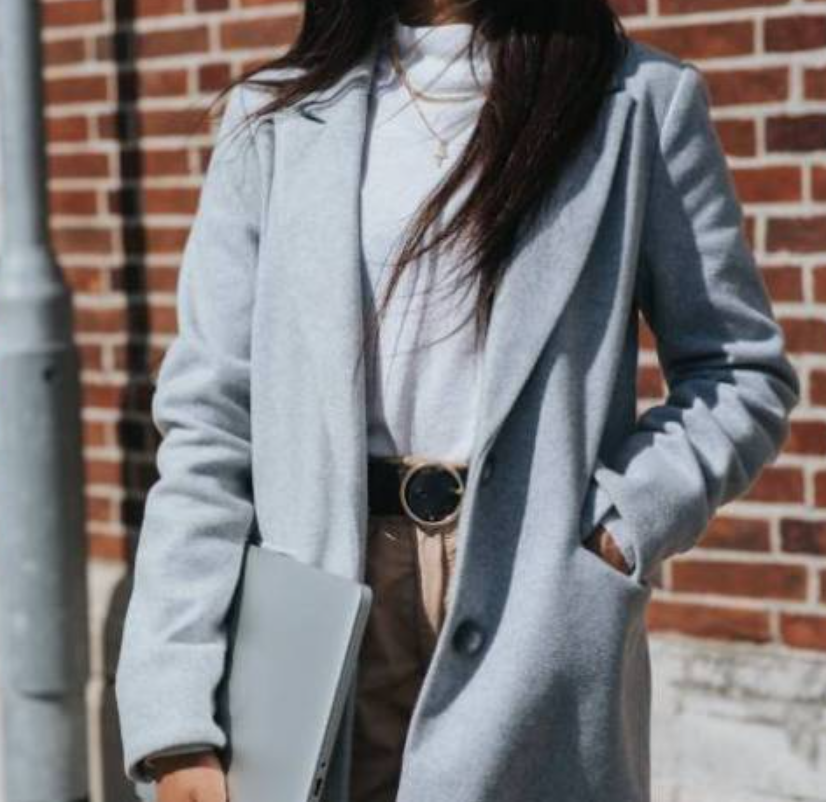
- Classic Leather Belts: These are timeless and versatile. A high‑quality leather belt in black, brown, or tan can define the waist and add a refined finish to both casual and formal outfits. Leather belts with distinctive buckles can also act as subtle focal points.
- Statement Belts: Wide belts or those with ornate buckles introduce visual interest and can transform a simple coat into a statement piece. These work well with neutral coats, allowing the belt to be the standout element.
- Fabric or Tie Belts: For coats made from softer materials like trenches or wrap styles, fabric belts or tie belts maintain a cohesive texture and create a softer silhouette. These are particularly flattering when you want a chic, understated finish.
How to Wear a Belt with Different Coats
Different coat styles offer unique opportunities for belting:
- Trench Coats: These already often come with a belt, but swapping the original for a contrasting leather belt can instantly modernize the look. Cinching at the natural waist emphasizes fluid lines while maintaining elegance.
- Wool or Winter Coats: Because these can be heavier, choose a belt wide enough to balance the bulk without creating discomfort. Leather or structured belts work well here. Designers and style editors have noted that belting winter coats is a popular trend, adding both structure and subtle sophistication.
- Oversized or Relaxed Coats: Oversized silhouettes benefit greatly from belting because a belt introduces definition where there might otherwise be a formless look. Placing the belt at your natural waist or slightly above can help create flattering proportions.
Practical Tips for Belt Styling
Here are some additional styling tips that will help you make the most of this simple yet effective fashion trick:
- Mind the Proportions: Belting a coat changes how the garment interacts with what’s underneath. Long coats look particularly striking when belted because the extended length contrasts with the cinched waist, producing a balanced silhouette.
- Mix Textures: Pair belts and coat fabrics in ways that enrich the overall outfit. A smooth leather belt can contrast beautifully with wool or knit materials, adding both visual and tactile interest.
- Experiment with Placement: While the natural waist is a reliable default, placing the belt slightly higher or lower can create different visual effects. A higher belt can elongate the legs, while a lower belt can produce a more relaxed, bohemian feel.
Final Thoughts
Belting your coat may seem like a small styling choice, but it is one that can dramatically elevate your overall look. It encourages you to pay closer attention to shape, proportion, and color—all essential elements of personal style. Whether you choose bold contrasts or subtle tonal pairings, experimenting with belts is a creative way to reinvent your wardrobe without buying an entirely new coat.
This styling trick is versatile, accessible, and adaptable to many different coat styles and personal tastes, proving that even simple accessories can yield significant results when used thoughtfully.