
Transitioning a child’s space from a nursery to a “big girl” bedroom is more than just a design project—it’s a celebration of growth. When we decided it was time to update Sloane’s room, I pictured something that felt both fresh and timeless. What started as simply moving paint onto walls turned into a space that now feels like a true reflection of who she is and who she’s becoming.
Beginning with Paint
The first step in redefining the room was choosing the right color palette. Painting a room might seem simple, but the paint choice sets the tone for everything that follows. For Sloane’s big girl bedroom, we chose a soft, luminous shade that transformed the mood entirely. The fresh walls immediately felt brighter and more mature than the nursery palette, while still remaining cozy enough for a child who loves comfort.
Making space feel new often starts with color, and in this room, the walls made a dramatic difference almost instantly. Paint can profoundly shift the sense of space, opening up a room and offering a clean backdrop for everything that comes afterward.
Balancing Function and Style
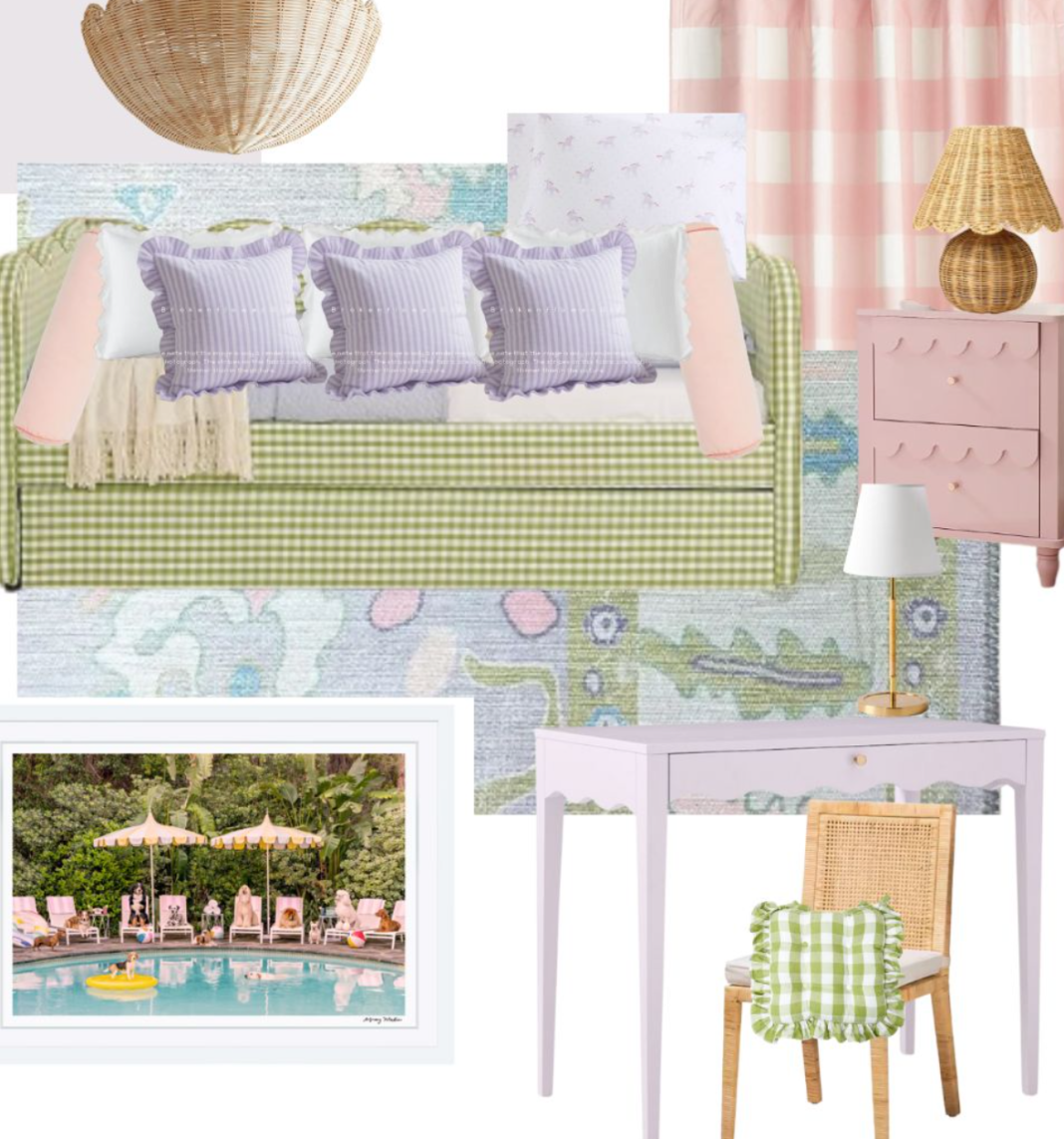
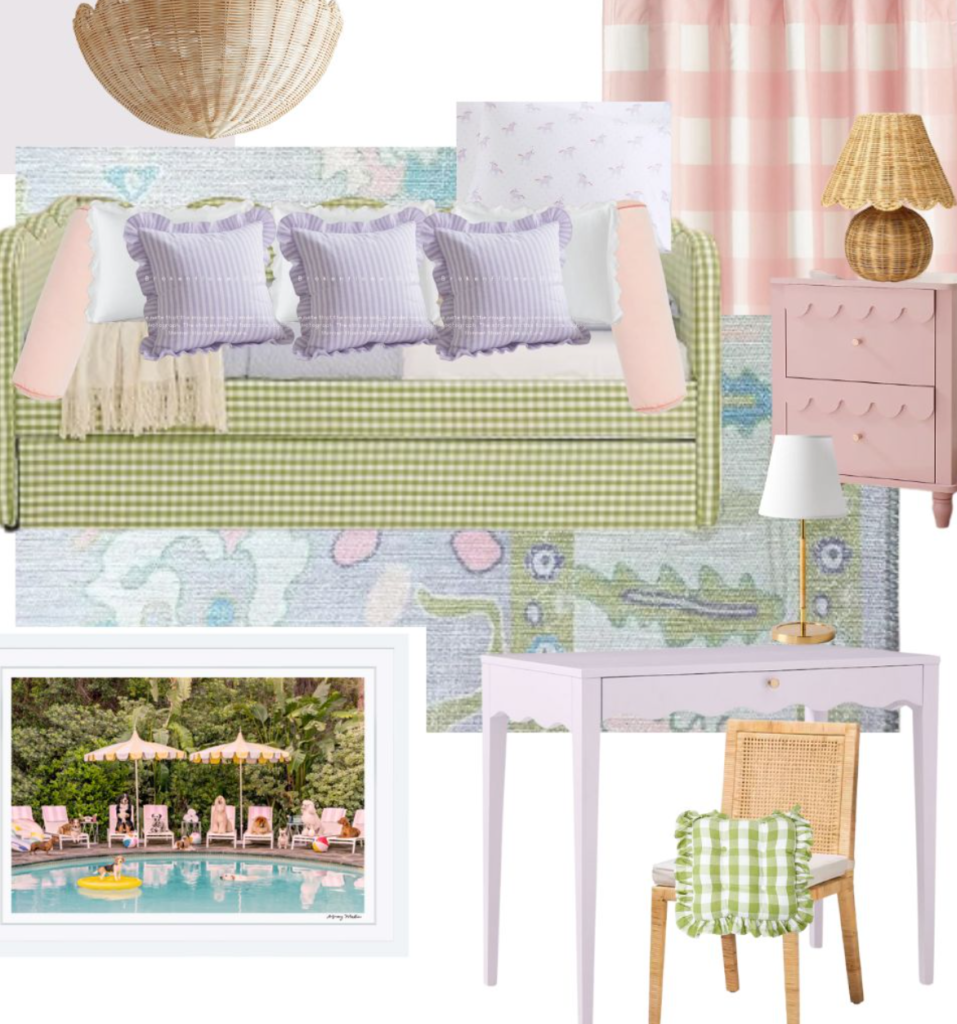
As the room evolved, our focus expanded beyond paint to include furniture and layout. A critical part of the transformation was selecting pieces that could grow with Sloane. Rather than filling the space with little kid-specific items, we prioritized classic designs that feel appropriate for a child but aren’t so juvenile that they’ll need replacing within a year or two.
A key piece in this refresh was the bed. Moving from a crib or toddler bed to a larger bed is a defining moment—it makes the room feel grown up. Choosing a simple yet stylish bed frame helped anchor the space and gave the rest of the design something to build around.
Nightstands beside the bed serve both style and function. They provide storage and offer convenient surfaces for bedside lamps, books, or personal items. By selecting nightstands that are proportionate to the bed and the room’s scale, the space feels intentional, not haphazard.
Creating Lasting Details
Beyond the foundational elements, the room’s details are what make it feel personal and complete. Textiles play a major role here. Bedding with subtle patterns and soft textures introduces layers of visual interest without overwhelming the room. Pillows in muted tones echo the walls and other furnishings, tying the design together in a cohesive way.
Window treatments were another thoughtful addition. Curtains and blinds not only control light but also add softness and texture. Choosing fabrics that complement the walls and bedding contributes to a polished look that reads as both elegant and child-friendly.
Lighting is equally important. A combination of ambient, task, and accent lighting allows the room to serve multiple needs—from playful daytime activities to calm evenings at bedtime. A lamp on the nightstand provides a warm glow that feels comforting at night, while overhead light or natural light during the day keeps the room bright and energetic.
Functional and Playful Zones
A well-designed big girl bedroom accomplishes two things: it supports everyday activities and encourages imaginative play. In Sloane’s room, we intentionally created areas for both rest and engagement.
One corner of the room became a reading nook—a small yet inviting space with soft seating and shelves of favorite books. This zone is one of the most used areas of the room, and it contributes to a sense of independence and comfort. When a child feels drawn to sit and read or relax in a particular spot, it reinforces their ownership of the space.
Storage solutions were also thoughtfully integrated. Rather than relying on plain bins or crowded shelves, we incorporated pieces that blend seamlessly with the room’s aesthetic. Baskets and custom shelving help keep toys and books organized without detracting from the design. A tidy space encourages play that feels intentional and enjoyable.
Personal Touches
What truly makes Sloane’s bedroom special is the inclusion of personal elements that reflect her tastes and personality. We added framed artwork above her bed, turning the wall into a focal point that expresses warmth and character. These pieces are eye-catching without overpowering the space, and they serve as gentle daily reminders of things she loves.
Small decorative accents—such as throw pillows, rugs, and bedside accessories—contribute texture and softness. Each item was selected with the intention of complementing the overall design while still feeling age-appropriate and sweet.
Making a room feel like it “belongs” to your child means including pieces that resonate with them. Involving Sloane in small decisions, from patterns to particular accessories, made the process more meaningful and ensured the space felt like her own.
A Room That Will Evolve
Designing a bedroom for a growing child requires thoughtful balance. It needs to be playful and functional now, yet timeless enough to last as interests evolve. By focusing on classic pieces, versatile textiles, and personal touches, Sloane’s big girl bedroom accomplishes this balance.
As she continues to grow, so too will the room’s function and feel—but the foundation is there for years of memories, play, and rest. A well-designed space supports not just daily routines, but also a child’s sense of comfort, identity, and independence.
In the end, turning a nursery into a big girl bedroom is as much about the emotional shift as it is about design. It marks a stage of growth, a step forward in childhood, and an opportunity to blend practicality with beauty. The result is a room that feels both special and lived in—an environment where a child can flourish and feel truly at home.