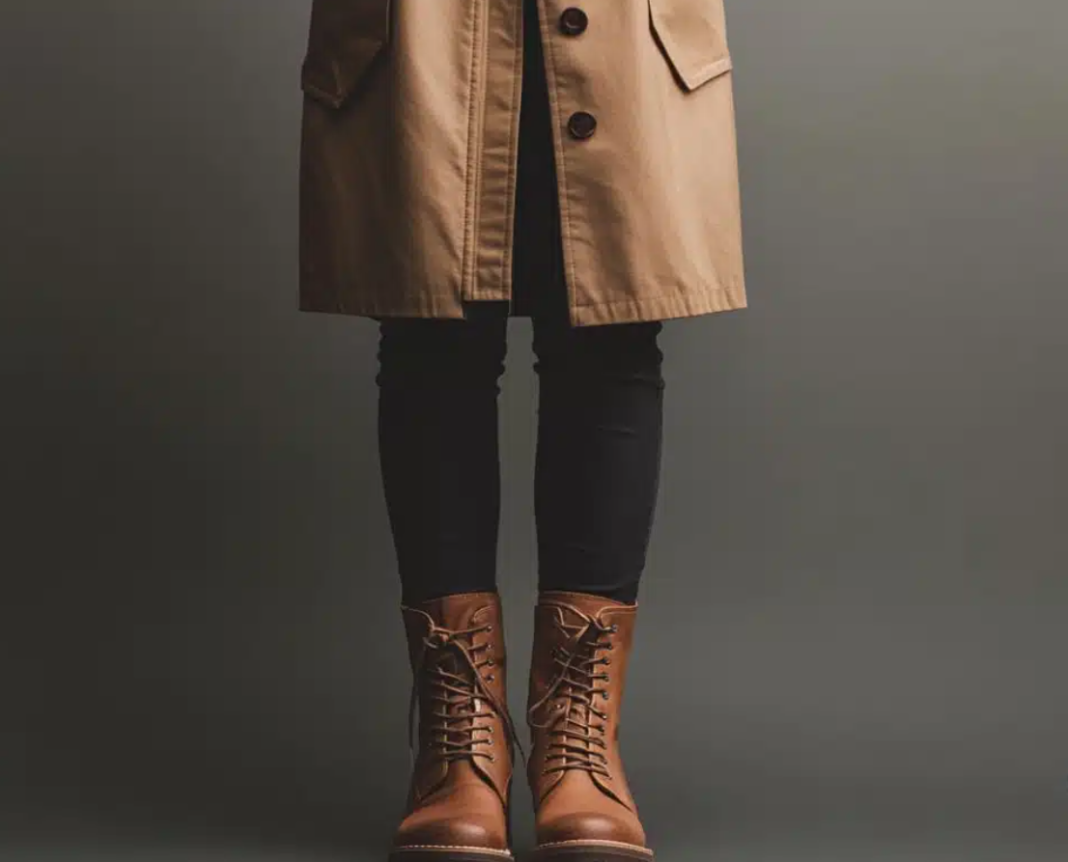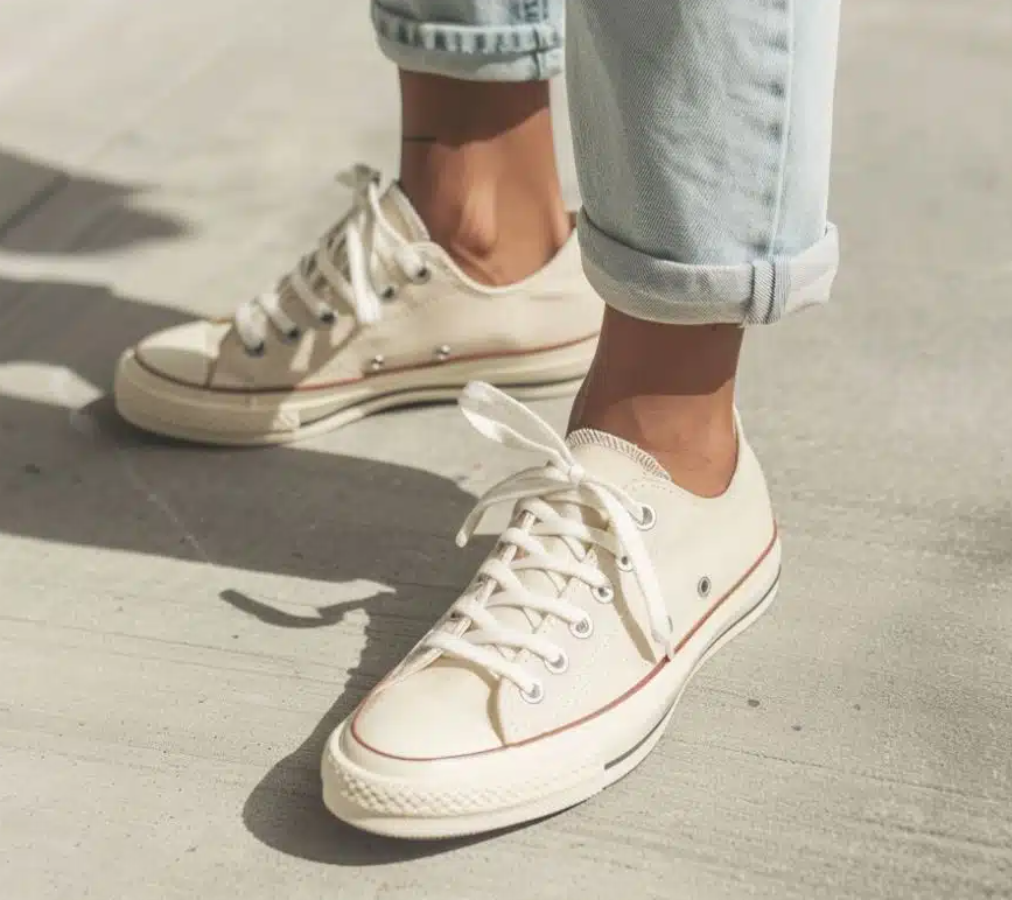

Standing in front of a closet full of clothes can feel like standing at a crossroads. On one side is a lifetime of carefully chosen pieces—garments collected over decades, each with its own memory woven into its seams. On the other side is the growing sense that maybe less is more, that a clutter-free life might be waiting just beyond the urge to hold on. Should you save your clothes in the hope that your daughters might cherish and wear them someday, or is it healthier to let go and embrace a lighter closet?
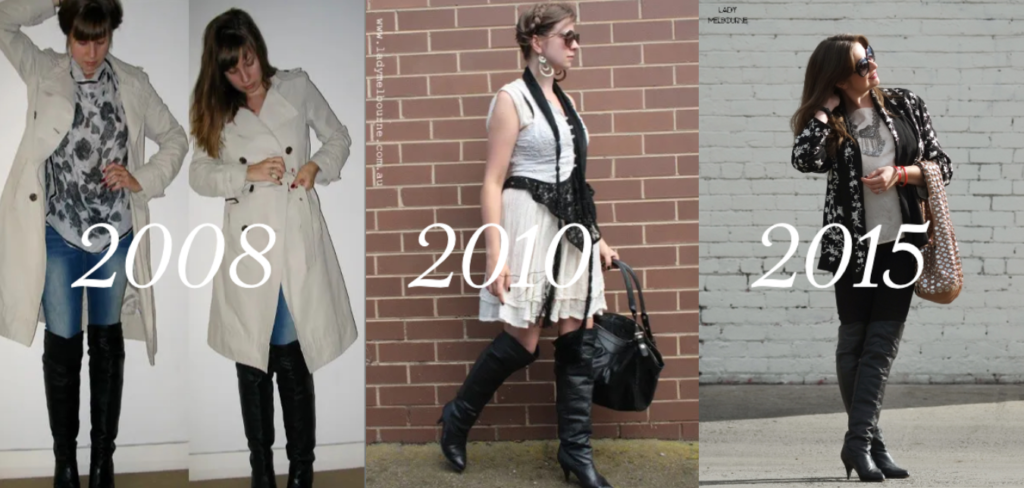
This dilemma resonates with many people who feel caught between sentiment and practicality. The argument for saving clothes is rooted in nostalgia and hope. Fashion genuinely does cycle, with trends like 90s slip dresses, 80s power blazers, and Y2K accessory shapes coming back into style years later. Imagine your daughters, decades from now, rifling through a trunk of your old clothes and finding a pair of long boots or a vintage jacket that feels exciting and new to them. That’s the romantic side of keeping clothes: it preserves stories and offers a tangible connection to your personal history. The handbag you saved up for in 2000, the dress you wore to your school formal, or the once-treasured designer piece bought during a special trip; these items are more than fabric—they’re markers of chapters in your life.
There’s personal precedent for this emotional attachment. Many of us have treasured memories of discovering older generations’ clothes as teens or young adults. A mother’s trunk of 1970s dresses or high boots might have felt like a treasure chest at thirteen, shaping not just the outfits you chose, but your developing sense of style. For many, these experiences are formative, and the idea of offering that same opportunity to your own children is deeply appealing.
Yet as compelling as this emotional pull is, there’s another side worth considering. Fashion may cycle, but it rarely returns exactly the same way. Silhouettes shift, fabrics evolve, and personal taste is an unpredictable thing. Your daughters might look at your beloved “vintage” pieces and simply not connect with them. They might have entirely different style preferences that don’t intersect with your wardrobe, regardless of how meaningful the clothes are to you.
This leads us to the reality of clutter. A wardrobe packed with items saved “just in case” can weigh on daily life. There’s something invigorating about a well-edited closet. Letting go of what you no longer use—or what you realistically won’t wear again—creates space not just physically, but mentally. Decluttering isn’t about rejecting the past; it’s about removing what no longer serves your present. Many decluttering philosophies advocate reviewing pieces by how they make you feel and whether they suit your life today. If an item hasn’t been worn in years, it’s often worth questioning why it’s still hanging in your closet.
A balanced approach may be the most sensible path. Not all clothes are equal in emotional or practical value, and they don’t all need the same treatment. Some items—authentic heirlooms, pieces linked with especially meaningful life moments, or investment garments—might be worth preserving. These could be stored carefully or passed down with context, perhaps with a story or photo that captures its significance. Clothing saved in this way can be treasured without overwhelming your living space.
At the same time, not every piece needs to be kept indefinitely. High-quality secondhand shops and thrift stores offer another way to keep vintage fashion alive without storing boxes in the attic. If your daughter loves vintage style, she could discover her own treasures through these outlets. Turning unused clothing into donations opens those pieces up to new life, whether worn by others or recycled into something fresh.
Decluttering doesn’t have to be an all-or-nothing decision either. Many people find success sorting their wardrobe into categories: items they love and wear often, pieces with sentimental value they want to save, and those they no longer need. This method helps clarify what truly matters and what is simply taking up space. If you’re unsure about an item, try setting it aside for a period. If it doesn’t get used or doesn’t come to mind, it may be ready to let go.
There’s also value in reframing what it means to preserve memories. Instead of keeping every garment, consider creating a small, curated memory box with only the most meaningful pieces. Alternatively, turning favorite outfits into a memory quilt or photographing them as part of a personal style archive can provide lasting emotional connection without occupying significant storage space. This way, you honor the past while keeping your home manageable and pleasant.
Ultimately, the choice of whether to keep clothes for your daughters or to declutter rests on what feels right for you and your family. There’s no uni